
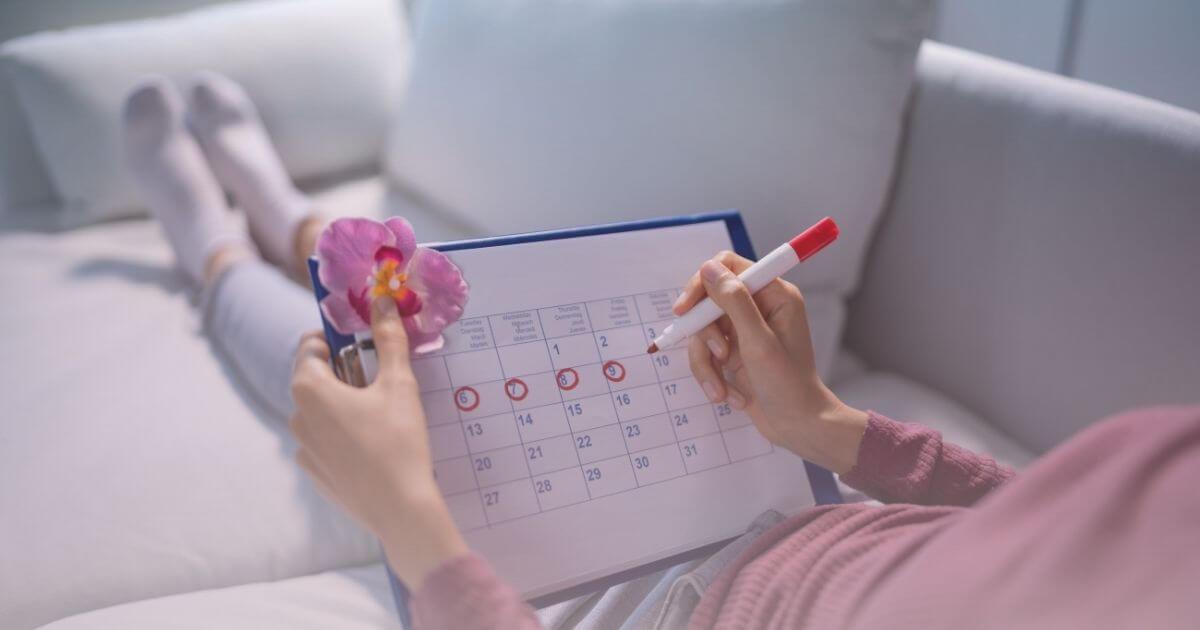
I invite you on a journey through your cycle—discover how to feel good in every phase of your cycle (even with PCOS!).
My dear, it’s time for a little heart-to-heart about your menstrual cycle—yes, that one that can make you feel ready to conquer the world one week and want to curl up under a blanket with chocolate the next (and honestly, who could resist?).
For those of us with PCOS (Polycystic Ovary Syndrome), the cycle can sometimes feel like an unpredictable party. But don’t worry—even that chaos can be tamed! Today, you’ll learn how to understand each phase of your cycle, which activities are best for you, and how to care for your body and mind at every stage of the month.
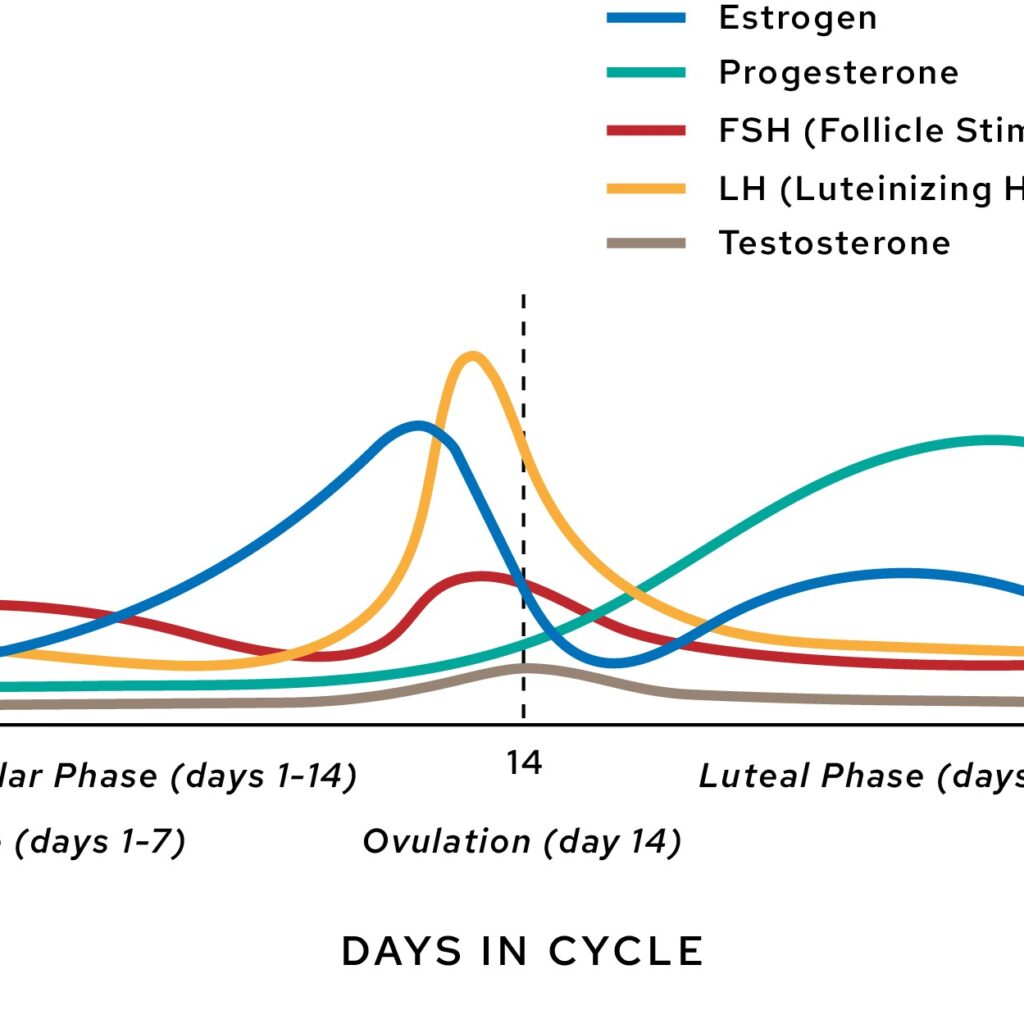
Source: https://www.palmhealth.com/sync-your-cycle-and-exercise
1. Menstrual Phase – Winter (Day 1 to ~5)
Or, in other words—a time for some much-needed peace and quiet 😉
This is the moment when the world slows down, and you feel like being best friends with your couch. Your sex hormones—estrogen and progesterone—are at their lowest levels. And you feel… everything and nothing all at once.
How do you feel?
Fatigue, low energy, and sometimes irritability. You might feel quiet, more sensitive, and have the urge to just “disappear” for a bit.
What should you pay attention to?
This is a great time to release the pressure of being a superwoman. Allow yourself to rest, reflect, and connect with your intuition. It’s a perfect moment for brainstorming, creativity, and understanding your emotions. Journaling and introspection can be especially powerful now.
Physical activity?
At-home spa rituals, gentle walks, light yoga, or stretching—anything that helps you relax and feel good.
2. Follicular Phase – Spring (Day ~6 to 14)
Also known as your energetic awakening.
Right after your period, your energy begins to return. Estrogen levels start rising, and suddenly you feel like a superhero putting on a brand-new cape. This is the perfect time to plan, create, and take action! 🚀
How do you feel?
More energy, a positive mood, and fresh ideas. You might feel more motivated to tackle challenges and take on new tasks. Your stress resilience increases.
What should you pay attention to?
This is a fantastic phase for creativity and starting new projects.
Physical activity?
Do exercises that bring you joy—dancing, strength training, jogging—whatever allows you to channel your growing energy. You’ll likely have the power and motivation for more intense workouts.
3. Ovulation Phase – Summer (Around Day 14)
This is when you feel on top of the world! Estrogen and testosterone peak, boosting your confidence, communication skills, and—let’s be honest—your attractiveness. This is ovulation time when your body signals, “Hey, I’m ready!”
How do you feel?
Energetic, outgoing, confident. Your libido may spike, and your body is at its peak performance.
What should you pay attention to?
Enjoy this energy burst! It’s the perfect time for dates, social events, public speaking, presentations, or tackling major projects. If something important needs to get done, this is your moment.
Physical activity?
If you’re not experiencing discomfort (like ovulation pain), continue with intense activities that bring you joy—HIIT, fitness classes, strength training, spinning—make the most of your power and energy.
4. Luteal Phase – Autumn (Day ~15 to 28)
Time for calm and reflection. After the ovulation peak, the luteal phase begins. Progesterone levels rise, preparing your body for a potential pregnancy (even if you’re not planning one—your body does its job). During this phase, you might feel less stress-resistant. Your energy starts to dip, and you may need more peace and quiet—and that’s perfectly normal!
How do you feel?
It’s a time for reflection, calm, and heightened emotional sensitivity—and that’s okay!
However, if your hormones are out of balance, this is when PMS can show up—cramps, bloating, mood swings, and breast tenderness. These are signs that your body might be experiencing some imbalance and could use extra care.
What should you pay attention to?
This is a moment for self-care: be gentle with yourself, allow for extra rest, and listen to your body. If you feel frustrated or stressed, remember that this is your time for recovery and reflection on what you’ve already achieved.
Physical activity?
Go for calming, relaxing activities—yoga, pilates, nature walks. Give yourself permission to slow down instead of pushing through another intense workout.
What if I have PCOS and my cycle feels like one big mystery?
With PCOS, your cycle can be irregular, chaotic, or even absent for long periods. But that doesn’t mean you can’t live in tune with your body’s rhythm!
Observe your body. Instead of focusing solely on bleeding, pay attention to energy levels, mood shifts, and physical signs (like cervical mucus)—these clues can help you figure out which phase you’re in.
Keep a cycle journal. Track how you feel each day, noting changes in energy, mood, and any physical sensations. Over time, you’ll start to recognize your own patterns, even if they’re not perfectly regular.
Nurture healthy habits. Regular physical activity, a balanced diet rich in protein, healthy fats, and fiber, and stress reduction can help regulate your cycle.
Remember, every body is unique, and your path might look very different from the “ideal” 28-day textbook cycle. A healthy cycle can range anywhere from 21 to 35 days. Be kind to yourself, stay curious about your body, and allow yourself to live in harmony—even if your hormones are throwing their own kind of party!
Take care of yourself.
